“Iran’s plan is to shift the paradigm in West Asia and restore its status as a major power” — Interview with Alastair Crooke (Part II)

According to the former British secret agent, since the 1970s the US has used its Sunni Arab allies in the region to try to weaken Iran.
| Think BRICS Apr 05, 2026 |
Iran’s FM confirms contact with US envoy Witkoff, denies talks under way
| Iran’s top diplomat Araghchi has told Al Jazeera that, despite contacts, Iran is not in negotiations with the US. Iranian Foreign Minister Abbas Araghchi has confirmed that messages had been exchanged with the United States, either directly or through countries in the region, amid the ongoing US-Israel war on Iran. During an interview with Al Jazeera, Araghchi said that the contacts with the US did not mean that Tehran was in negotiations with Washington. Recommended Stories Iranians don’t consider Trump’s 15-point plan as beginning of diplomacy’ Iran will play World Cup games in US despite war, FIFA’s Infantino says Trump attacks NATO allies as pressure mounts over Strait of Hormuz |
Why Iran believes it can outlast the US
| Published On 31 Mar 202631 Mar 2026 Iran is preparing for deeper US escalation while insisting it’s winning. Can this war end before it widens?Read more Iran appears to believe it can survive this war. That calculation may be shaping its stance on a ceasefire, even as strikes continue and talk of US troops on the ground is growing. Why does Iran think it’s winning, and what would Tehran need to agree to stop fighting? In this episode: Recommended StoriesHow are NATO allies pushing back against Trump’s Iran war demands? What is the ‘Greater Israel’ project? Why Washington can’t stop Trump on Iran Inside Gaza after Israel’s last captive is found |
Iran – A Failed Strategy and Economics of War
| PressTV Interview with Peter Koenig By Peter Koenig Global Research, April 01, 2026 Just a few hours ago, President Trump has announced he will shortly speak to the Nation about progress in Iran. What will he talk about? Could it be about a possible US invasion of Kharg Island, where most of Iran’s – and one of the world’s largest sources of — hydrocarbon reserves are located, an option that is still on the table? Could it be another deadline? For what, though? The preamble to this is that President Trump with his war on Iran has a popularity rating of about 30% in the US. Trump sees himself between a rock and a hard place, so to speak. Because there are also mid-term elections this fall, and he believes – and so do some of his few supporters – if he can show a “win,” like a successful invasion of Kharg island, he may gain back public support. That is of course nonsense. It would require a US land invasion. For now, the official figure for such an invasion is still between 8,000 and 10,000 troops. Maybe more. The infamous “boots in the ground.” Iran has built a military highly weaponized protecting shield of the island, so that there might be hundreds if not thousands of US casualties, with such an invasion. That would certainly not contribute to raise Trump’s popularity. Trump and his military brass know it, that is why they are generally against it. That may also have been the reason for President Trump to extend the “deadline.” A deadline for what? To 6 April, as he says negotiations with Iran currently ongoing may yield positive results. |
Iran Rejects U.S. Narrative That It Must Adhere to Trump’s ‘Disingenuous’ Negotiation Framework
Tehran put forward its own terms to end the war, a senior Iranian official tells Drop Site, despite claims it has not responded to Trump.
| Jeremy Scahill and Ryan Grim Mar 28, 2026 Over the past week, both the U.S. and Iran delivered frameworks to mediators aimed at ending the ongoing war. The Trump administration is now insisting that its framework must be the basis for any negotiations, a high-level Iranian official told Drop Site, as President Donald Trump’s top envoy on Friday repeatedly asserted that direct talks are imminent and that the U.S. expects a response from Tehran in the coming days. Trump has portrayed the diplomatic situation as the U.S. offering a desperate and broken Iran a chance to end the war. “They’re being hit so hard, anybody would be negotiating. They are negotiating. They’re begging to make a deal,” Trump said in remarks at the Future Investment Initiative summit in Miami on Friday. “Turned out I was right, they were negotiating.” |
Thank you, Iran!
The unexpected tenacity and ingenuity of Iran’s military campaign have not only exposed the weaknesses of the Western values-driven world.
| By Hermann Ploppa Global Research, March 26, 2026 Who would have thought it? Iran, hopelessly outmatched militarily, is successfully holding its own against the Goliath that is the United States. The Global South is taking notice. The hegemon, which was acting so cocky just moments ago, and its symbiotic twin, Israel—both are undergoing a stress test. The myth of the invincibility of the white master race has been shattered in a matter of days. Yet the losses on the Iranian side are unbearable. The leaders of the Shiite clergy have been wiped out by the disrespectful, utterly irreverent attackers. The civilian infrastructure has been ruined across vast areas. The oil refinery near the Iranian capital, Tehran, has gone up in flames. Spilled oil rained down on the streets and houses of Tehran. Waves of flames blazed through the streets. The black rain turned day into night. People were forced to breathe in the poison. How many people will die from the effects of this poisoning? And yet the Iranians remain steadfast. Much like the Russians, Chinese, or Vietnamese, the Iranians have an extraordinary capacity for endurance and are using their collective intelligence to resist being subjugated once again. The heart of Iran now lies underground. No matter how destructive, no U.S. nuclear bomb can reach the caves in the Iranian mountains. The Iranians never harbored any illusions about the West’s perfidy. For 47 years now, they have been systematically preparing for an attack by the U.S. and Israel. In doing so, however, they refrained from developing the atomic bomb. That was a mistake. If they had the atomic bomb in their arsenal as a credible deterrent, then indeed no one would dare to attack Iran. The girls from the bombed school would still be alive. The Iranian cadets whom the Americans, in flagrant violation of the law, left to drown miserably in their riddled corvette off the coast of Sri Lanka would still be alive. |
Qatar-Iran Partnership Dismantled by Washington? Qatar is Now “A Major Non-NATO Ally”? Who Bombed Qatar’s Strategic Rass Lavan LNG Hub
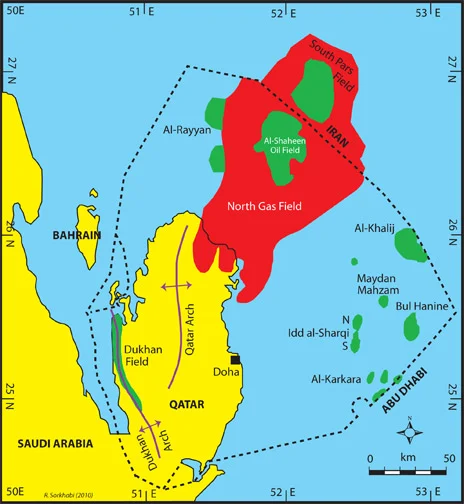
| By Prof Michel Chossudovsky Global Research, March 21, 2026 |
Iran’s Asymmetrical War Persists Against Hegemony

| By Renee Parsons Global Research, March 22, 2026 On February 28, US President Donald Trump launched a joint airstrike with Israel to target the country of Iran. That attack was unconstitutional, illegal, in violation of Article 51 of the UN Charter as well as a violation of international law. The US attack, dubbed Epic Fury, was also an unprovoked war of aggression which the Nuremberg War Crime Trials defined in 1945 as a war crime. Iran’s response within hours was focused and far exceeded expectations with its precision guided hypersonic Fattah 2 system which is technologically superior and outpaces the Israel-US response. The Iran response exceeded whatever Iron Dome protection Israel assumed was in place. Within that first day, the Ayatollah Ali Khamenei was assassinated in his office with his family and hours later 165 students (age 6 -12) were killed by a double tap Tomahawk missile strike in the Shajareh Tayyiba elementary school in Teheran; thereby adding potential war crimes to the US-Israel war. In response to the President’s air strike, Sen. Tim Caine (D-Va) offered a War Powers Resolution vote which was defeated 53-47 with Sen. Rand Paul (Ky) the only Republican Senator to support the Resolution. The next day, the House of Representatives also defeated a War Powers Resolution on a 212 -219 vote with two Republicans Rep. Tom Massie (R-Ky) and Rep. Warren Davidson (R-Ohio) voting in support. The Resolutions would have “removed United States Armed Forces from hostilities within or against the Islamic Republic of Iran that have not been authorized by Congress.” Continue reading Video Anthony Aguilar@AnthonyAgu88102 I have questions. I have concerns. I have a warning. Stay vigilant, America. |
Iran doesn’t give a single fuck.
Let me say that again for the people in the back. Iran. Does not. Give. A single. Fuck.

| While the world’s leaders are scrambling around like someone just pulled the fire alarm at a nursing home, Iran is executing. Methodically. Patiently. Like they’ve read every page of Sun Tzu and used the spare copy to wipe their arse with Trump’s Truth Social post. This is the Art of War in real time. And the two men supposedly running the counter-strategy are Donald Trump, a 79-year-old man whose entire crisis management experience is stiffing contractors and filing for bankruptcy, and Pete Hegseth, a former Fox News host whose primary qualification for running the world’s most powerful military was being able to say the word “freedom” without blinking. Let’s start with what actually happened. Israel bombed South Pars. The world’s largest natural gas field. The field holds an estimated 1,800 trillion cubic feet of gas and 50 billion barrels of condensate. That’s not an energy asset. That’s a civilisational artery. And Netanyahu decided to take a swing at it. Iran’s response was instant, surgical, and catastrophic for the global economy. Iranian missiles caused “extensive damage” at Qatar’s Ras Laffan Industrial City, the largest LNG facility on Earth. They hit it twice in 12 hours. Twice. Same target. Still burning. |
Damage caused to the Israeli regime is irreversible, I believe we are seeing the beginning of its end, says Iranian analyst

Mohammad Marandi believes that ‚Iran’s impressive success in recent weeks is a great victory for humanity‘
| Think BRICS Mar 18, 2026 Never before in history has a country managed to cause as much damage to US bases around the world, or cause as much destruction in the territory that Israel illegally occupies in Palestine, as Iran has in the last 13 days. According to presenter and former British MP George Galloway, some of his anonymous sources in Tel Aviv have reported that parts of the city now resemble Gaza, which has been cruelly bombed by the Zionist regime. Nearing two weeks of resistance, Iran appears to be calling the shots in the war at this point and may dictate the terms of the end of the conflict. In recent days, according to some Western media outlets, the Iranian government has been approached twice by Donald Trump’s special envoy, Steve Witkoff, to sound out possible negotiations. Tehran has reportedly refused dialogue. After being betrayed twice in negotiations with the US – in June 2025 and March 2026 – the Iranian government sees no point in negotiating now. Ali Larijani, chairman of Iran’s Supreme Security Council, responding to a post by Donald Trump, who said that the US should win the war soon, said that “starting a war is easy, but ending it cannot be achieved with a few tweets. We will not leave them alone until they accept their mistake and pay for it.” |
Asymmetric economic war: Iran challenges US dollar, demanding oil be sold in Chinese yuan, as it targets US corporations

In response to Trump’s war of aggression, Iran is using asymmetric tactics, targeting US corporations and dollar dominance, challenging the petrodollar system, demanding oil sales in Chinese yuan.

| Ben Norton Mar 19, 2026 |
The Iranians Probably Wished to Hell They Had Developed Nuclear Weapons!

Just ask the Russians, Chinese, and North Koreans!
| CODEPINK Mar 14, 2026 Including the minute when the US and Israel fired missiles and dropped bombs on the home of Iranian leader Ayatollah Ali Khamenei and his wife and other members of his family, killing over 40 members of the leadership of Iran, senior Iranian officials had maintained that Iran would never develop a nuclear bomb. The Omani Foreign Minister, who was in discussions with Iran and the United States on February 27, 2026, only days before the U.S./Israeli attack on Iran, said Iran agreed to “never, ever have … nuclear material that will create a bomb.” “There was no evidence that Iran was close to a nuclear weapon,” said Jeffery Lewis of the James Martin Center for Nonproliferation Studies at the Middlebury Institute of International Studies after the U.S. attack on Iran. |
We are showing the world that nations can defeat imperialist powers, says Iranian professor

As war escalates, Iran unites under new Supreme Leader Ayatollah Mojtaba Khamenei. Discover how Shiite martyrdom culture fuels resistance against US-Israel attacks.
Republished with permission
| Think BRICS Mar 15, 2026 With no ceasefire agreement in sight, the war waged by the US and Israel against Iran has entered its second week, and some actions seem to herald an escalation in the conflict. On the one hand, the Israeli attack on an oil refinery in Tehran spread a thick black cloud full of highly toxic chemicals over the city, in a dystopian scenario that is likely to cause serious damage to the health of the capital’s inhabitants, as well as to the environment. On the other hand, numerous sources claim that Iran is entering the second phase of its military strategy: until now, Iranian forces have reportedly used only drones and old missiles (manufactured more than 10 years ago) in order to wear down US and Israeli defences, which many military analysts say cannot withstand a prolonged conflict lasting many weeks. From now on, Tehran would begin to make use of its more sophisticated and powerful missiles, which could cause more serious damage to Israel and US bases in the region. Let us see, in the coming days, if this prognosis is confirmed. |
The ‘Fourth Successor’: Iran’s plan for a long war with the US and Israel

Tehran built a doctrine to absorb shock, survive decapitation strikes and turn time into a weapon.
| When Iranian Foreign Minister Abbas Araghchi said Tehran had spent two decades studying US wars to build a system that could keep fighting even if the capital was bombed, he was describing more than resilience; he was outlining the logic of Iran’s defence doctrine. At the centre of that doctrine is what Iranian military thinkers call “decentralised mosaic defence” – a concept built on one core assumption: that in any war with the United States or Israel, Iran may lose senior commanders, key facilities, communications networks and even centralised control, but must still be able to keep fighting. Recommended Stories Netanyahu says Israel ‘stronger than ever’ in first speech since Iran war World reacts to appointment of Mojtaba Khamenei as Iran’s supreme leader ‘Reprehensible’: New wave of Iranian missiles, drones target Gulf nations How Iran used asymmetric warfare to offset US-Israeli military power |
Historischer Exkurs Das Shah Regime
| Das Regime von Mohammad Reza Schah Pahlavi (1941–1979) im Iran wird oft als autokratisch, repressiv und brutal gegenüber politischen Gegnern beschrieben. Es war eine Diktatur, die von der Geheimpolizei SAVAK gestützt wurde, welche für Folter, willkürliche Verhaftungen und die Unterdrückung jeglicher Opposition bekannt war. Wikipedia +2 Kernpunkte des Schah-Regimes: Unterdrückung: SAVAK, der Geheimdienst, agierte brutal gegen Dissidenten, Studenten und religiöse Gruppen, was zu tiefem Groll in der Bevölkerung führte. Autoritarismus: Der Schah errichtete einen Einparteienstaat, indem er alle anderen politischen Gruppen verbot und die Rastakhiz-Partei als einzige Partei einsetzte. Modernisierung & Ungleichheit: Die „Weiße Revolution“, ein schnelles Modernisierungsprogramm, führte zwar zu gesellschaftlichen Veränderungen, aber auch zu hoher Inflation und wirtschaftlichen Engpässen, von denen die breite Masse kaum profitierte. Westliche Unterstützung: Der Schah wurde stark vom Westen, insbesondere den USA, unterstützt, besonders nach dem von ausländischen Mächten unterstützten Putsch gegen Premierminister Mohammad Mossadegh im Jahr 1953. Proteste: Die Unzufriedenheit über die autokratische Herrschaft und die soziale Ungleichheit führte schließlich zur Iranischen Revolution 1979 |
Iran Weighs Tactical Shift in Persian Gulf Strikes While Intensifying Attacks on Israel
A senior Iranian official told Drop Site that Iran has achieved most of its tactical aims against U.S. military infrastructure, but warned it will still respond to attacks launched from Arab states.
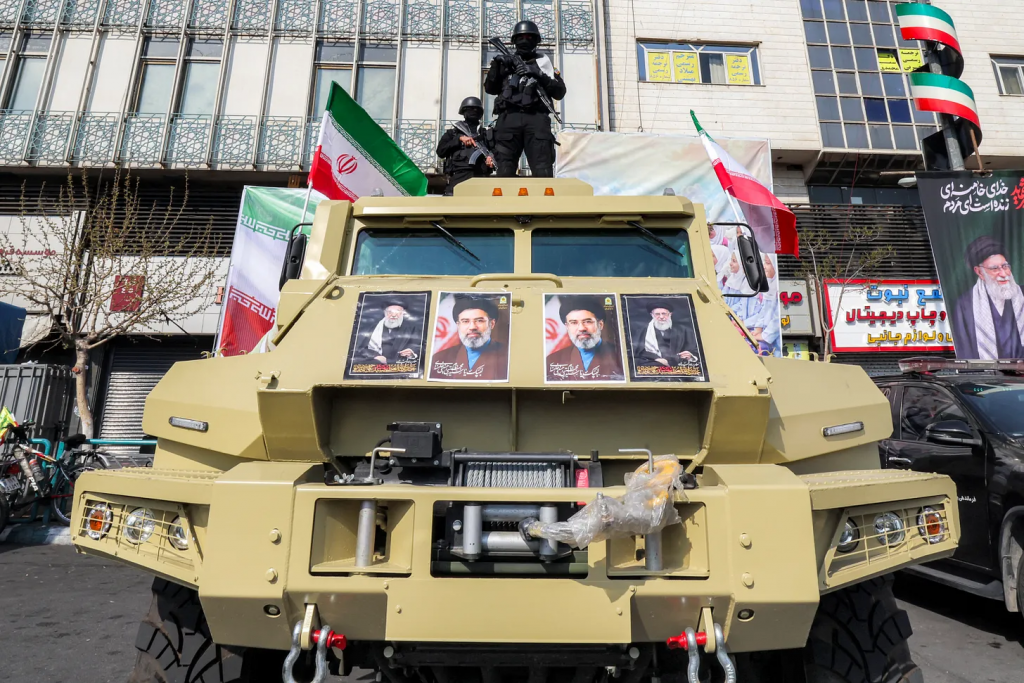
| Jeremy ScahillMar 09, 2026 Iran is considering reducing its strikes in most Arab nations that house U.S. military bases while expanding attacks against Israel, a senior Iranian official told Drop Site. Iran’s political and military leaders believe their ballistic missile and drone operations targeting U.S. bases and infrastructure have largely achieved their intended aim of degrading major radar systems and depleting stockpiles of interceptors, said the official, who requested anonymity because he is not authorized to discuss internal deliberations. “This is a trend we are likely to observe over the course of the coming week in the ongoing conflict,” the senior Iranian official said. “There has been no change to the overall strategy—this continues the previous defensive approach. In the coming days, it is likely that operations will place greater emphasis on targets associated with Israel, while attacks on U.S. bases in the region may decrease to some extent. However, this reduction may not apply to U.S. bases in two particular countries, where such actions could continue.” |
‘Our hearts were shaking’: Tehran endures night of heavy Israel, US bombing

The latest attacks come a day after bombing of fuel reserves created thick plumes of smoke that turned day into night in the capital.
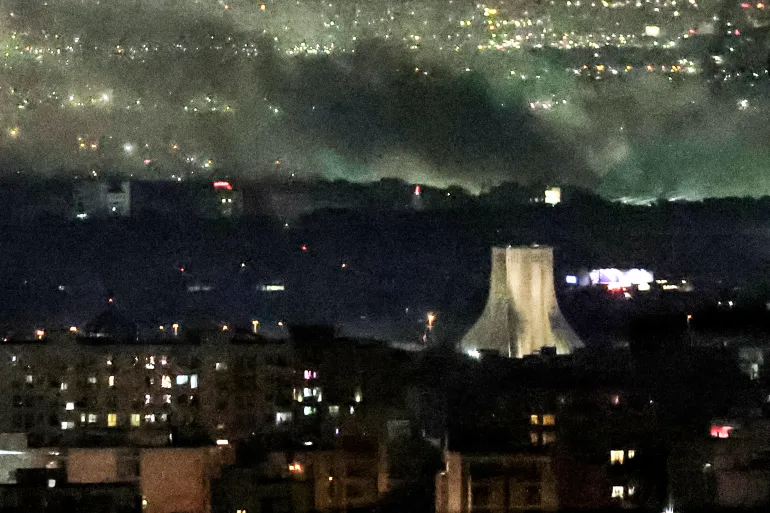
| By Maziar Motamedi Published On 10 Mar 202610 Mar 2026 Tehran, Iran – The Iranian capital has experienced one of its most intense nights of bombardment by the United States and Israel since the start of the war 10 days ago as numerous areas of the sprawling city have been hit to devastating effect. Warplanes flew at low altitudes over Tehran overnight into Tuesday, dropping dozens of heavy explosives that shook neighbourhoods across the city of more than 10 million people and frightened residents who have remained in their homes despite the danger. Recommended Stories Russia the only ‘winner’ of US-Israel war on Iran: EU Council president Could Trump ‘take over’ the Strait of Hormuz as oil prices rise? How will soaring oil prices caused by Iran war impact food costs? |
The Human Price of „Maximum Pressure“: A Conversation with Tehran’s Pooria Asteraki

Proudly re-proposing this archival interview with Pooria Asteraki. Amid tragic war, his voice from Tehran reveals the 40-year human cost for Iranians to help you understand their reality.
| Think BRICS Mar 09, 2026 As the world watches the escalating cycles of violence and regional conflict currently gripping the Middle East, the headlines often focus on the movements of militaries and the rhetoric of leaders. Yet, beneath the geopolitical surface lies a deeper, more enduring tragedy: the largely invisible suffering of the Iranian people, who have spent more than 40 years navigating a reality of isolation and economic warfare. Since the 1979 Revolution, Iran has been the subject of the most comprehensive sanctions regime in modern history—a policy tool that, while aimed at government behavior, has fundamentally reshaped the lives of ordinary citizens. To hear the full depth of Pooria Asteraki’s insights and his personal testimony on life inside the Islamic Republic, watch the complete interview on the Think BRICS YouTube channel. |
Will Trump Abandon His “Less is More” Doctrine Over Iran?
| By Miguel Santos García Global Research, March 06, 2026 The second Trump administration has launched its most audacious military action yet, Operation Epic Fury, a massive joint US-Israeli offensive that killed Iran’s Supreme Leader and bombarded civilians and infrastructure alike. This action is part of Trump’s “less is more” doctrine, an approach that seeks to replace prolonged occupations with swift, overwhelming force to decapitate regimes and achieve decisive outcomes without long-term commitment. Yet President Trump’s recent statement to the New York Post in which he refused to rule out “boots on the ground” in Iran has raised urgent questions if indeed the doctrine is being abandoned or if the statement is part of a bluff to intensify pressure. So, while a large-scale invasion is unlikely in the immediate term, the doctrine faces its most severe test as the administration navigates the treacherous gap between decapitation and genuine regime change. |
What Are the Prospects of Putin Mediating an End to the Iran War?
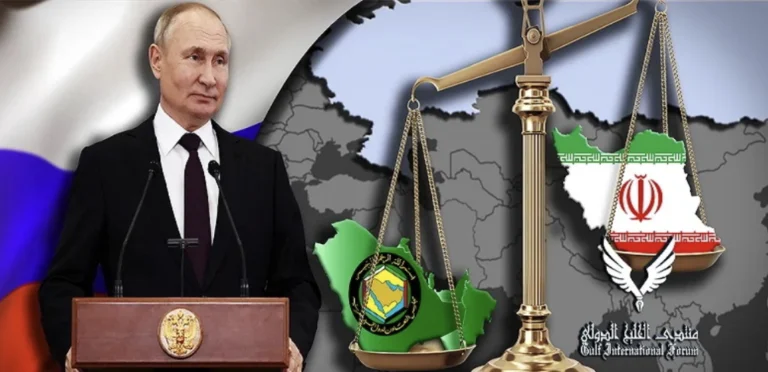
| By Andrew Korybko Global Research, March 05, 2026 Putin spoke with the leaders of the UAE, Qatar, Bahrain, and Saudi Arabia (de facto since he spoke with Mohammed bin Salman) on Monday, all of whose countries have been attacked by Iran on the pretext that the US military facilities on their territories are being used in the war. The Kremlin readouts that were cited above all sound the same due to them complaining about being attacked, Putin sympathizing with them without condemning Iran, and then floating suggestions that he could mediate an end to it. |
Iran is Not Venezuela: How the Trump Regime and Israel Miscalculated Regime Change in Iran
| By Timothy Alexander GuzmanGlobal Research, March 05, 2026 The Trump regime assumed that the operation to kidnap Venezuela’s President, Nicolas Maduro would somehow be a blueprint to achieve regime change in Iran and then balkanize the country and steal their natural resources so that the Zionists can expand their occupied land called Palestine for their Greater Israel Project. Iran is a completely different country who fought a US-Israel backed war of aggression against Iraq between 1980-1988. Washington supported Iraq and its puppet President at the time, Saddam Hussein and since then, Iran has faced constant threats and sanctions from the US and Israel since the Iranian revolution in 1979 that toppled the US-backed dictatorship of Mohammad Reza Pahlavi known as the ‘Shah of Iran’. Ironically, the US wants to replace Iran’s leadership with a new Monarchy under the Shah’s son, Reza Pahlavi. Iran has been preparing for this war for decades and it shows. The Trump Whitehouse is in panic mode. Iran’s vast weapons has destroyed most US bases and harbor installations in Iraq, the Gulf states (Qatar, UAE, Bahrain, Oman, Saudi Arabia) and other sites close to it. The mainstream media is not reporting that hundreds, possibly thousands of US soldiers and marines already killed since the war began. Israel is on the brink of complete destruction and the global economy is about to face a major crisis. |
Iran After Khamenei: Potential Transitional Scenarios in the Context of Conflict
| Iran Studies Unit| 5 Mar 2026 The assassination of Iran’s Supreme Leader Ali Khamenei is expected to create a significant political and leadership vacuum within the Iranian regime. However, official sources in Tehran insist that his absence would not affect the political system and that the ongoing conflict with the United States and Israel would continue. Khamenei’s assassination is expected to trigger chaos within Iran, with public reactions sharply divided – some welcoming the act, others denouncing it. This polarization could escalate into physical confrontations, potentially plunging the country into internal conflict. One possible scenario is that the current regime would manage to overcome the crisis by establishing a transitional leadership council with broad acceptance. However, this option faces significant challenges, including doubts about the council’s effectiveness and uncertainty over its members’ future role. Additionally, Iranian society is fragmented, with economic challenges and ongoing conflict worsening internal divisions. Prolonged conflict could also delay the return of key regime figures. Another scenario is that Revolutionary Guard generals may orchestrate a coup to reshape the Iranian political system according to their own terms. This could involve negotiating with Washington to establish a mutually acceptable governance framework, shaping the succession process by supporting a particular candidate while sharing authority with him, or shifting from the Guardianship of the Jurist system to a military-led model with ideological leanings. |
Over 1,300 strikes recorded by Iranian Red Crescent; Senate blocks war powers resolution on Iran; 66,000 displaced in Afghanistan-Pakistan fighting
| Drop Site Daily: March 5, 2026 U.S. and Israeli airstrikes pound Iran for a fifth day, death toll rises to over 1,200. Iranian Red Crescent: Over 100 civilian sites hit. Airstrikes target Kurdish militia bases in Iraq. War Secretary Pete Hegseth says war could last up to eight weeks. Doha rejects Iranian claim that missiles were not aimed at Qatar. Spain denies White House claim it agreed to cooperate with American attacks on Iran. |
EXCLUSIVE: Iran’s Deputy Foreign Minister Rejects Trump’s “Big Lie” About Why He Went to War
Esmail Baghaei, a senior Iranian official, discusses the U.S. narrative, Iran’s strikes across the region, and prospects for diplomacy in a half-hour interview with Jeremy Scahill.
| Jeremy Scahill Mar 05, 2026 In an exclusive interview with Drop Site News, Iranian Deputy Foreign Minister Esmail Baghaei rejected President Donald Trump’s claim that he launched the war because Iran was “going to attack first,” calling it a “big lie.” “There was no intention on the part of Iran to attack the United States,” he said. “They claim that Iran posed an imminent threat to the United States,” Baghaei added. “Did we come to the Gulf of Mexico to target Los Angeles and other U.S. cities? Or did they come 6,500 miles away to Iranian shores?” |
Big Trouble Ahead in Iran
| John J. Mearsheimer Mar 04, 2026 On 3 March 2026, I was on “Judging Freedom” talking about the Iran war. I told the Judge that the Trump administration was dragged into this war by Israel and its enormously powerful lobby in the US. Both Secretary of State Marco Rubio and House Speaker Mike Johnson have admitted as much and it is clear from listening to and reading the discourse on the internet that many Americans understand that this is another war for Israel. Iran was no threat to the US and there was no reason for Trump to attack it. |
Who is Ali Larijani, the Iranian official promising a ‘lesson’ to the US?

Ali Larijani is a longtime Iranian political insider, often viewed as a pragmatist, who has an important role following the killing of Supreme Leader Khamenei.
| For decades, Ali Larijani was the calm, pragmatic face of the Iranian establishment – a man who wrote books on the 18th-century German philosopher Immanuel Kant and negotiated nuclear deals with the West. But on March 1, the 67-year-old secretary of the Supreme National Security Council’s tone changed irrevocably. Appearing on state television just 24 hours after US-Israeli air strikes killed Supreme Leader Ayatollah Ali Khamenei and the Iranian Revolutionary Guard Corps (IRGC) commander, Mohammad Pakpour, Larijani delivered a message of fire. “America and the Zionist regime [Israel] have set the heart of the Iranian nation ablaze,” he wrote on social media. “We will burn their hearts. We will make the Zionist criminals and the shameless Americans regret their actions.” “The brave soldiers and the great nation of Iran will deliver an unforgettable lesson to the hellish international oppressors,” he added. Larijani, who accused US President Donald Trump of falling into an “Israeli trap”, is now at the centre of Tehran’s response to its biggest crisis since 1979. |
What are Iran’s weapons as it fights the US and Israel?

Hit by Israeli and US missiles, Iran struck Israel and the Gulf hosts of US bases. What weapons power its response?
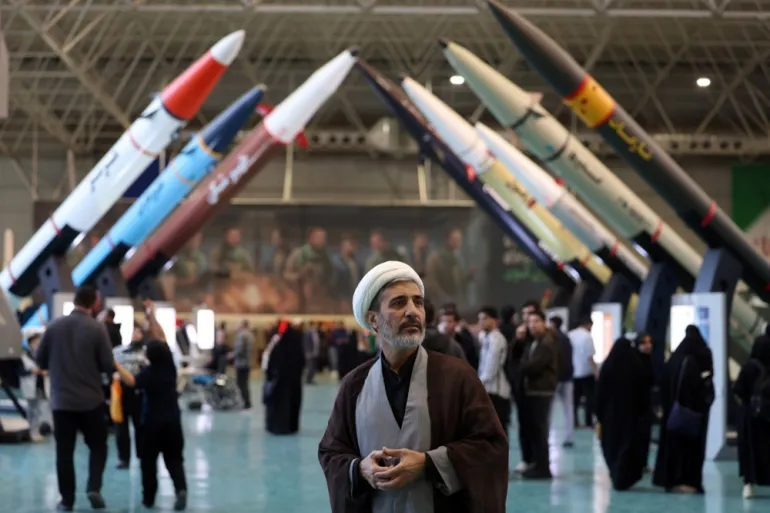
| After the United States and Israel launched joint strikes on Iran on Saturday, killing Supreme Leader Ayatollah Ali Khamenei and several senior officials, Tehran moved quickly to respond. Iran said its retaliation targeted Israel and US-linked military sites across the region, including in Gulf states that host US forces. Recommended Stories Iranian drone strikes US military facility in Kuwait lThe Take: ‘The Truth Social war’ – the US playbook for war with Iran Huge fire at Bahrain port home to US Navy’s Fifth Fleet The opening exchange has sharpened the central question for regional capitals and global markets: Will this remain a cycle of reciprocal strikes, or will it evolve into a longer campaign shaped by Iran’s strike reach, allied forces and pressure on shipping and energy infrastructure? At the heart of the question is Iran’s missile arsenal and the other platforms and tools at its disposal to inflict pain on the US and others. Why this time looks different Unlike the 12-day war that the US and Israel waged on Iran in June 2025, Khamenei’s killing appears to have convinced Tehran that the clash is a battle for the Islamic Republic’s very survival. In Tehran’s narrative, delayed or restrained retaliation risks being seen as weakness and an invitation to further attacks. On Sunday, Iranian President Masoud Pezeshkian said seeking revenge for the killing of Khamenei and other senior officials is the country’s “duty and legitimate right”. But what are the ways in which Iran is taking that “revenge”? |
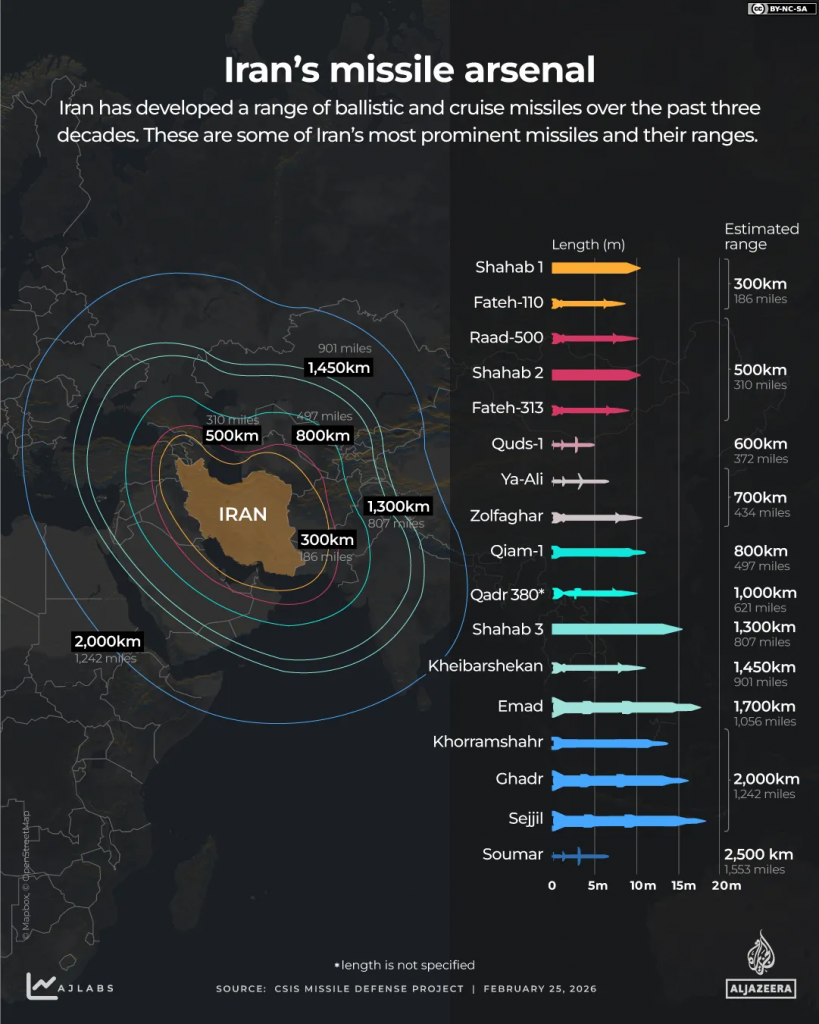
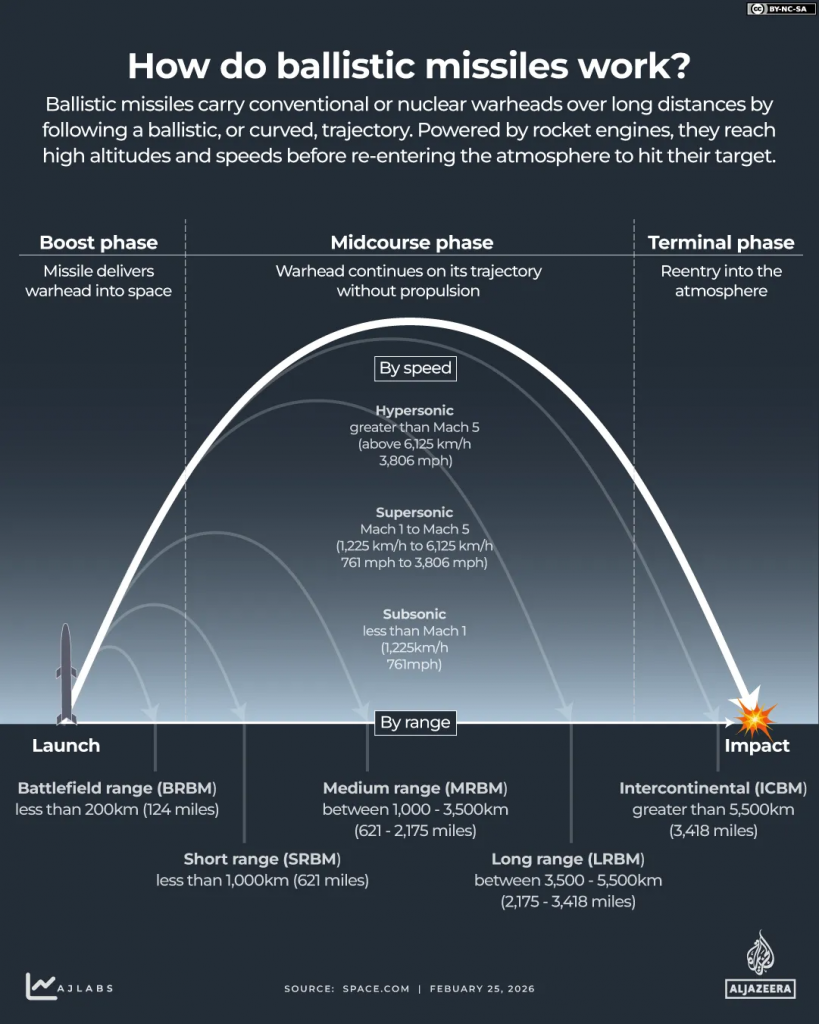
| Iranian officials cast the country’s missile programme as the backbone of deterrence, in part because the air force relies on ageing aircraft. Western governments argue that Iran’s missiles fuel regional instability and could support a future nuclear delivery role – a claim Tehran rejects. The longest-range Iranian ballistic missiles can travel between 2,000km (1,243 miles) and 2,500km (1,553 miles). That means that these missiles can reach Israel, US-linked bases across the Gulf and much of the wider region — but contrary to claims by Trump and some in his orbit, these missiles cannot come close to reaching the US. Short-range missiles: The ‘first punch’ Short-range ballistic missiles – roughly 150-800km (93-500 miles) – are built for nearby military targets and rapid regional strikes. |
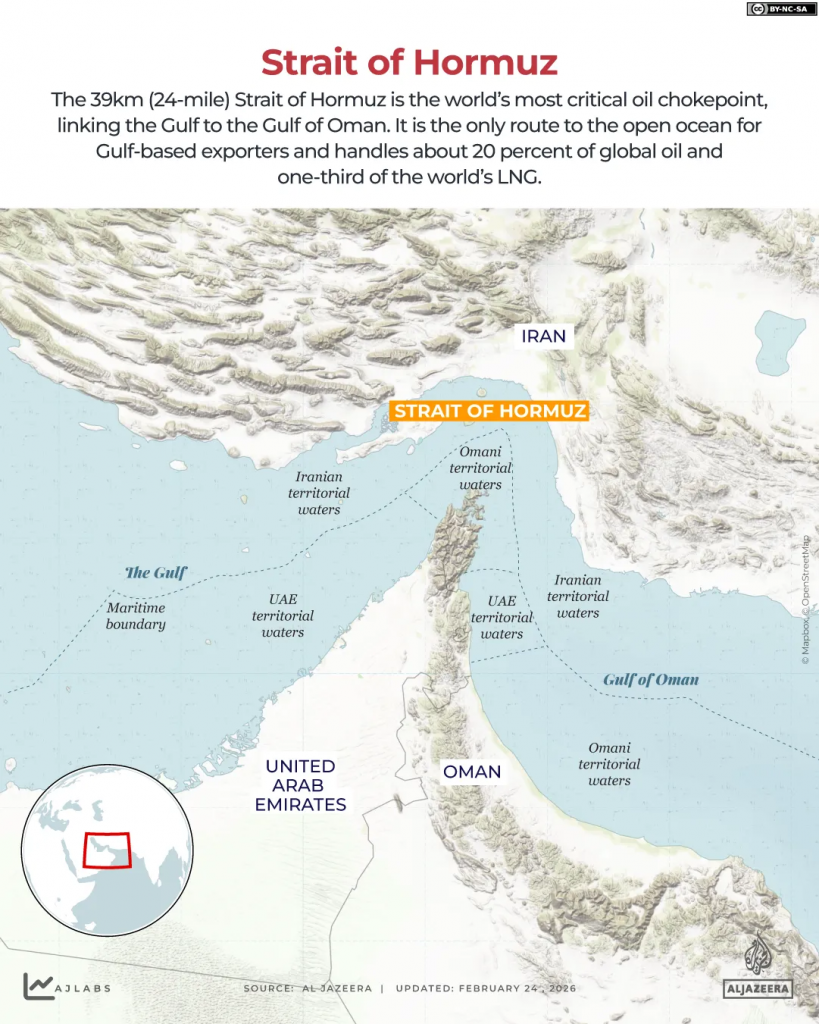
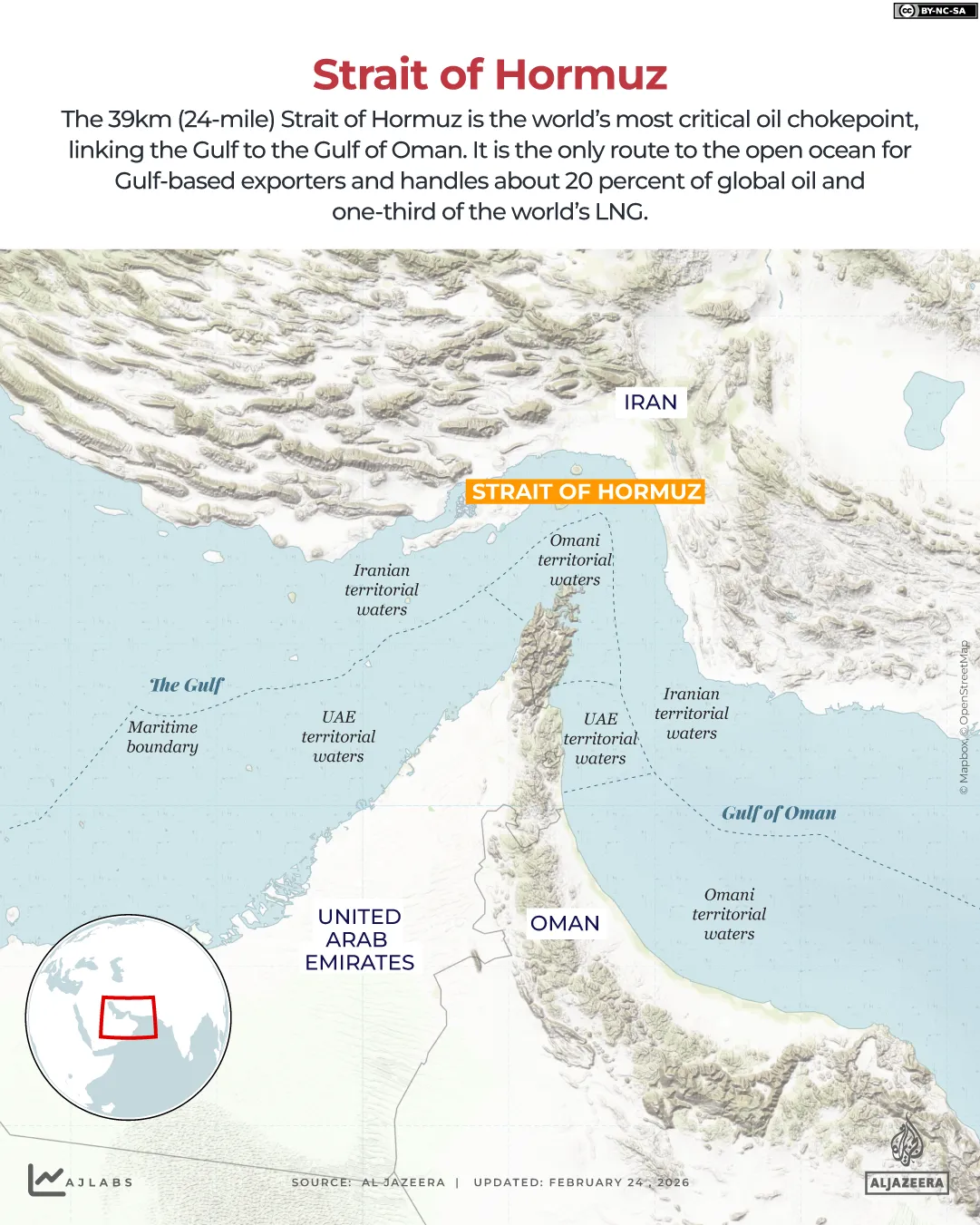
| Strait of Hormuz: Disruption without a formal blockade Iran’s deterrence playbook is not limited to land targets. The Gulf and the Strait of Hormuz, through which a significant share of the world’s traded oil and gas passes, give Tehran a fast route to shake global markets. Iran can threaten naval forces and commercial shipping using antiship missiles, naval mines, drones and fast-attack craft. It has also showcased what it calls “hypersonic” systems, such as the Fattah series, touting very high speeds and manoeuvrability, though independent evidence about their operational status remains limited. A formal blockade is not necessary to move markets. Radio warnings attributed to Iran’s Revolutionary Guard Corps (IRGC) tankers holding outside the strait and rising war-risk insurance are already influencing ship movements and freight costs. The IRGC has also said that it has struck three US- and UK-linked oil tankers near the Strait of Hormuz. |
Has Trump misunderstood Iran’s IRGC and the Basij forces?
The US president called for IRGC members to lay down their arms or face ‘certain death’. Here’s how he misunderstands the IRGC.
| By Al Jazeera Staff Published On 1 Mar 20261 Mar 2026 On Saturday, as the United States and Israel attacked Iran, US President Donald Trump sent a message to the Islamic Revolutionary Guard Corps (IRGC) conscripts, demanding they surrender or die. “To the members of the Islamic Revolutionary Guard, the armed forces and all of the police, I say tonight that you must lay down your weapons and have complete immunity,” Trump said. “Or in the alternative, face certain death. So, lay down your arms. You will be treated fairly with total immunity, or you will face certain death.” Recommended Stories How much could the Iran war cost the US? Here’s what we know What is the Strait of Hormuz? How will its closure impact oil prices? What are Iran’s weapons as it fights the US and Israel? What is the IRGC It is an elite armed force and a constitutionally recognised component of the Iranian military, established in 1979 after the Islamic revolution. It operates alongside the country’s regular army but answers directly to the supreme leader. In fact, its doctrine is built on velayat-e faqih, or guardianship of the Islamic jurist, essentially the protection of the Islamic revolution and its fealty to the supreme religious leader, initially Ayatollah Ruhollah Khomeini, who died in 1989 and was succeeded by Khamenei. |
The Take: Why Iran’s system may endure the US–Israel strikes
Published On 3 Mar 2026
3 Mar 2026
| The regime in Tehran may be more prepared than Washington expected. With US-Israel strikes killing Iran’s supreme leader, and Tehran’s retaliation unfolding, Washington and Israel appear to be testing the durability of the Islamic Republic. But Iran’s political system was designed to survive leadership loss and external pressure. Recommended Stories The Take: ‘The Truth Social war’ – the US playbook for war with Iran Listen to these podcasts Why Iran’s system may endure the US–Israel strikesWith Iran’s supreme leader killed and retaliation unfolding, the US and Israel appear to be testing the durability of the … What the world is getting wrong about what Iranians thinkFrom inside Iran to the diaspora, Iranians are deeply divided about their country’s future. With Ayatollah Ali Khamenei go… |
Iran is Not Venezuela: How the Trump Regime and Israel Miscalculated Regime Change in Iran
| By Timothy Alexander Guzman Global Research, March 05, 2026 The Trump regime assumed that the operation to kidnap Venezuela’s President, Nicolas Maduro would somehow be a blueprint to achieve regime change in Iran and then balkanize the country and steal their natural resources so that the Zionists can expand their occupied land called Palestine for their Greater Israel Project. ran is a completely different country who fought a US-Israel backed war of aggression against Iraq between 1980-1988. Washington supported Iraq and its puppet President at the time, Saddam Hussein and since then, Iran has faced constant threats and sanctions from the US and Israel since the Iranian revolution in 1979 that toppled the US-backed dictatorship of Mohammad Reza Pahlavi known as the ‘Shah of Iran’. Ironically, the US wants to replace Iran’s leadership with a new Monarchy under the Shah’s son, Reza Pahlavi. Iran has been preparing for this war for decades and it shows. The Trump Whitehouse is in panic mode. Iran’s vast weapons has destroyed most US bases and harbor installations in Iraq, the Gulf states (Qatar, UAE, Bahrain, Oman, Saudi Arabia) and other sites close to it. The mainstream media is not reporting that hundreds, possibly thousands of US soldiers and marines already killed since the war began. Israel is on the brink of complete destruction and the global economy is about to face a major crisis. |
America’s Hopes for a Quick Win over Iran Go up in Smoke
| By Drago Bosnic Global Research, March 05, 2026 On the last day of February, the United States launched a truly unprovoked war of aggression against Iran, sparking the largest conflict in the Middle East since the illegal US invasion of Iraq in 2003. Iranian Ayatollah Ali Hosseini Khamenei was killed, along with his daughter, son-in-law, granddaughter and daughter-in-law, while his wife Mansoureh Khojasteh Bagherzadeh died of her injuries on March 2. The USAF continued launching virtually incessant airstrikes since February 28, hitting hundreds of targets across Iran. The attacking force also deliberately targets civilians, including schools, hospitals, maternity wards and residential areas. In one primary school in Minab, southern Iran, nearly 200 schoolgirls aged 7-12 were killed, with well over a 100 wounded. Gandhi Hospital in Tehran was also hit, forcing the medical personnel to evacuate prematurely born babies (just like the 1990s NATO aggression on Serbia). |
Iran War: At the Edge of Catastrophe
| By Prof. Engr. Zamir Ahmed AwanGlobal Research, March 04, 2026 The Middle East stands at a perilous crossroads. In recent days, direct confrontation between the United States, Israel, and Iran has escalated dramatically, raising fears of a wider regional conflagration. Reports of airstrikes, targeted killings, and civilian casualties have shocked global audiences and stirred deep anxieties about what may come next. The Centrality of Sovereignty and the UN Charter The cornerstone of modern international relations is the prohibition on the use of force enshrined in Article 2(4) of the United Nations Charter. States are forbidden from using force against the territorial integrity or political independence of another state, except in cases of self-defense under Article 51 or when authorized by the Security Council. International humanitarian law, including the Geneva Conventions, demands distinction between combatants and civilians and prohibits attacks on civilian infrastructure. Schools, hospitals, water systems, and power grids are not mere strategic assets; they are lifelines for ordinary people. Their destruction reverberates long after the bombs fall, punishing the vulnerable far more than the powerful. If civilian casualties have indeed occurred, and if infrastructure essential to survival has been damaged, these allegations must be independently investigated. Accountability is not a political weapon; it is a universal obligation. |
Two Allies from Inferno Attack Iran. Possible Consequences

| By Peter Koenig Global Research, March 03, 2026 On Saturday, 28 February 2026, President Trump confirmed on his Truth Social platform that Washington has launched a “major combat operations in Iran” to eliminate “imminent threats” and “defend the American people.” It is called “Epic Fury”, and War Minister, Pete Hegseth, said it will last for a long time. President Trump added that Iran had previously rejected demands to curb its nuclear program, which Iran says only serves peaceful purposes. This was apparently the reason and justification for this devastating infernal criminal act. In full tandem with Israel, coordinated to the last details, it is a new war in the Middle East, one that looks like open-ended and nobody really foresaw – or is even willing to analyze – its possible consequences. Netanyahu happily announces that Israel’s Defense Forces (IDF) precision hit on Iran’s Supreme Leader Ayatollah Khamenei residency killed the Supreme Leader, as well as many members of his family. Predictively, this murderous act will not remain unpunished. |
Iran Prepared for an Existential War. How Much Are Trump and Israel Willing to Gamble?
Iran is intensifying strikes across the region after Supreme Leader Khamenei’s assassination, as Trump floats new talks and more bombing.

| Jeremy Scahill and Murtaza HussainMar 02, 2026 On Saturday, President Donald Trump went to TruthSocial to announce the U.S. and Israel had been successful in assassinating Iran’s Supreme Leader, Ayatollah Ali Khamenei. “Khamenei, one of the most evil people in History, is dead,” Trump wrote. “He was unable to avoid our Intelligence and Highly Sophisticated Tracking Systems and, working closely with Israel, there was not a thing he, or the other leaders that have been killed along with him, could do.” The New York Times followed with a breathless account published Sunday purporting to tell the secret story of how the CIA and Israel hunted down Khamenei, “tracking him for months” and “gaining more confidence about his locations and his patterns,” before pinpointing his location so he could be killed. “People briefed on the operation described it as a product of good intelligence and months of preparations,” the report claimed. |
Trump startet Forever War


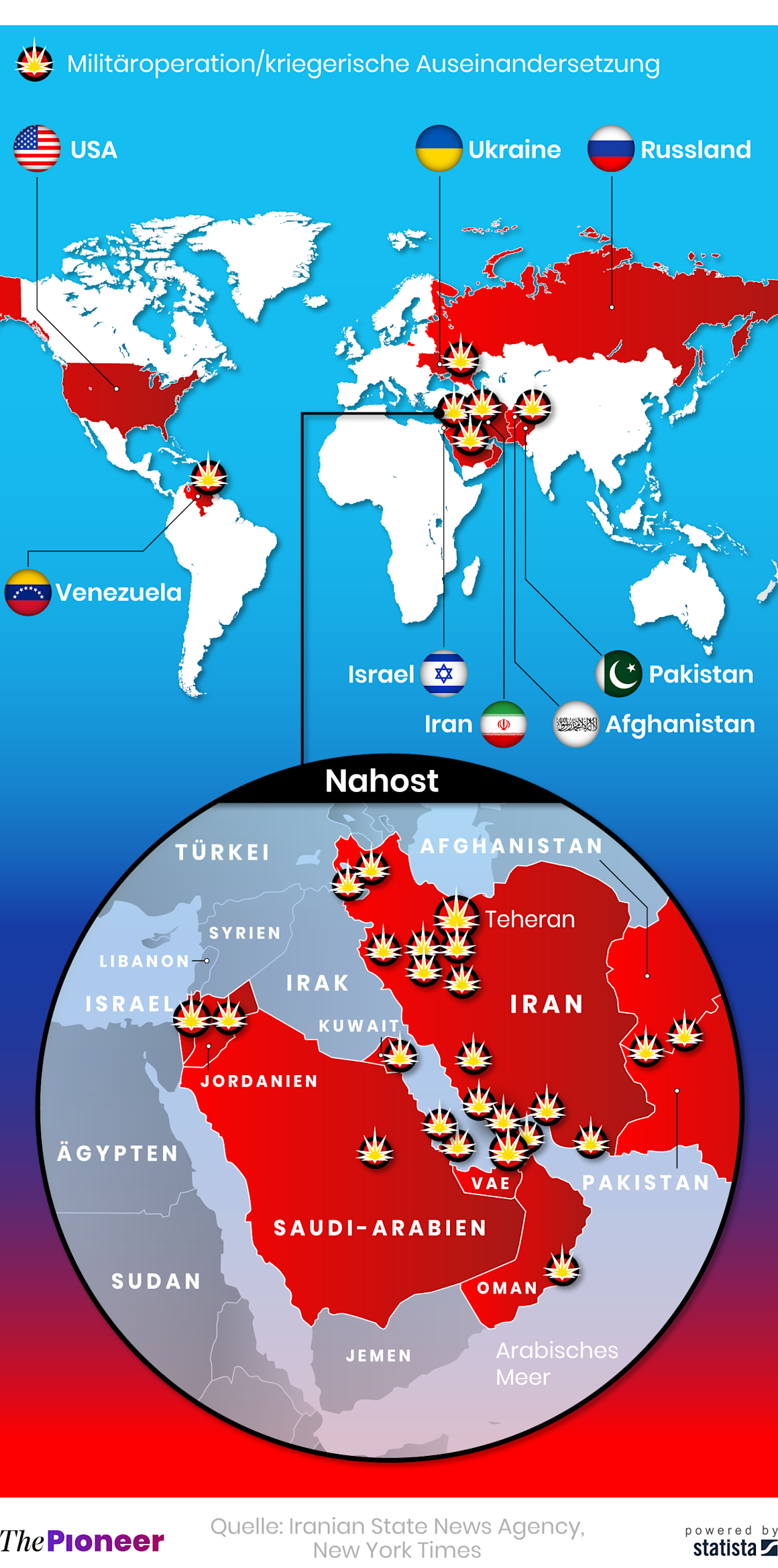
| Nach den Militäraktionen „Midnight Hammer“ (zur Zerstörung iranischer Atomanlagen), „Absolute Resolve“ (zur Entführung des venezolanischen Präsidenten) und „Epic Fury“ (zur Bombardierung des Iran) ist klar, dass Trump den Krieg mehr liebt als seine Wähler, denen er eine Ära des Friedens versprochen hatte. Wir werden unseren Erfolg nicht nur an den Schlachten messen, die wir gewinnen, sondern auch an den Kriegen, die wir beenden – und vielleicht am wichtigsten, an den Kriegen, in die wir nie verwickelt werden. “ Stattdessen begann er in den Morgenstunden des 28. Februars mit der Bombardierung der Regierungsgebäude von Teheran einen Krieg, den er nicht gewinnen und noch nicht einmal beenden kann: The Forever War. Denn der Iran (Schiitisches Land) gab nicht klein bei, sondern zündete Raketen, die in Israel, den (sunnitischen Ländern) Vereinigten Arabischen Emiraten, Kuwait, Irak, Saudi-Arabien, Syrien, Jordanien, Katar, Bahrain und Oman niederkamen und die aufstrebende arabische Region in Angst und Schrecken versetzen. Die Vereinigten Staaten erleiden in diesen Tagen einen Kontrollverlust, weil sie das Monopol auf die Eskalationsdominanz verloren haben. Oder wie Edward Luce in der Financial Times gestern schrieb: Trump lost his monopoly on how the war unfolds. “ Zu Deutsch: Trump hat sein Monopol darauf verloren, wie sich der Krieg entwickelt. “ Den angegriffenen Iranern, die laut dem International Institute for Strategic Studies über 400.000 konventionelle Soldaten und fast 200.000 Soldaten der Revolutionsgarde befehligen, ist mit Luftschlägen nicht beizukommen. Zur Einschätzung der Situation ist es wichtig zu verstehen, dass der Iran das mächtigste und gefährlichste Land ist, das die USA seit Hitler-Deutschland je angegriffen haben. Trump könnte die Galerie der gescheiterten Kriegspräsidenten – Lyndon B. Johnson, Nixon, Bush Junior und zuletzt Biden – prominent bereichern. Der Iran ist viermal so groß wie der Irak und fast doppelt so bevölkerungsreich. Vor allem aber ist das dortige Militär auf Angriffe in der Nachbarschaft ausgelegt. Der Iran besitzt nicht die Fähigkeit, Amerika substanziell anzugreifen. Aber er besitzt die Fähigkeit, den Nahen Osten in Brand zu setzen, was er derzeit auch tut. Neben der regulären Armee unterhält der Iran die Islamic Revolutionary Guard Corps (IRGC) mit eigenen Land-, Luft- und Marinekräften sowie einer paramilitärischen Basis, was seine Verteidigungsstrukturen diversifiziert. Nach Erkenntnissen des FBI und der CIA befinden sich im westlichen Ausland sogenannte Schläfer, die aus Teheran aktivierbar sind und jederzeit Terroranschläge auch in Amerika verüben können. |
Watch: Attacks on Iran driven by U.S.-Israel DESPERATION
| Li Jingjing Mar 04, 2026 A talk with U.S. veteran David Gualaalou |
Video: “Donald the Terrible.” The Consequence of a War with Iran
| Michel Chossudovsky Mar 04, 2026 By Prof Michel Chossudovsky and Drago Bosnic On February 28, 2026, amidst peace negotiations, “Donald the Terrible” ordered a criminal bombing campaign against Iran largely focussing on the outright killing of civilians. This Global Research video was recorded on the days prior to the U.S.-Israel bombing raids. “Donald the Terrible”: his criminal agenda is global warfare and the killing of civilians, the hegemonic battle for energy, namely the acquisition of oil and natural gas reserves worldwide. *** Our objective is to reach out to people worldwide. Our longstanding commitment is world peace. This video can be viewed in the original English and with subtitles in 14 languages: English, Français, عربي, Русский, Español, Português, 中文, Deutsch, Farsi, Italiano, 日本語, 한국어, Türkçe, Српски |
As Trump Launches “Massive” Regime Change War, Iran Strikes Back at U.S. Bases and Vows Not to Capitulate
Diplomacy was weaponized as an “instrument of deception,” an Iranian official tells Drop Site. Tehran promises to inflict losses on the U.S.


| Jeremy Scahill and Murtaza Hussain Feb 28, 2026 At approximately 9:40 a.m. local time in Iran, President Donald Trump launched what he bluntly characterized as a regime change war aimed at eliminating the Iranian leadership, destroying the country’s missile system and naval forces, and calling on Iranians to rise up and seize control in the aftermath of the attacks. The bombing campaign was initiated by Israel but Trump’s statement announcing U.S. involvement made clear the stakes to Iranians: “Bombs will be dropping everywhere. When we are finished, take over your government. It will be yours to take,” Trump said in a taped statement on Truth Social soon after Operation Epic Fury began. “This will be probably your only chance for generations.” “The targeting of civilian infrastructure—such as schools and hospitals—in the city of Minab sends a clear message to all: in this criminal aggression, the attackers recognize no red lines and evidently intend to shed a great deal of the blood of the noble people of our country,” the Iranian official told Drop Site. |
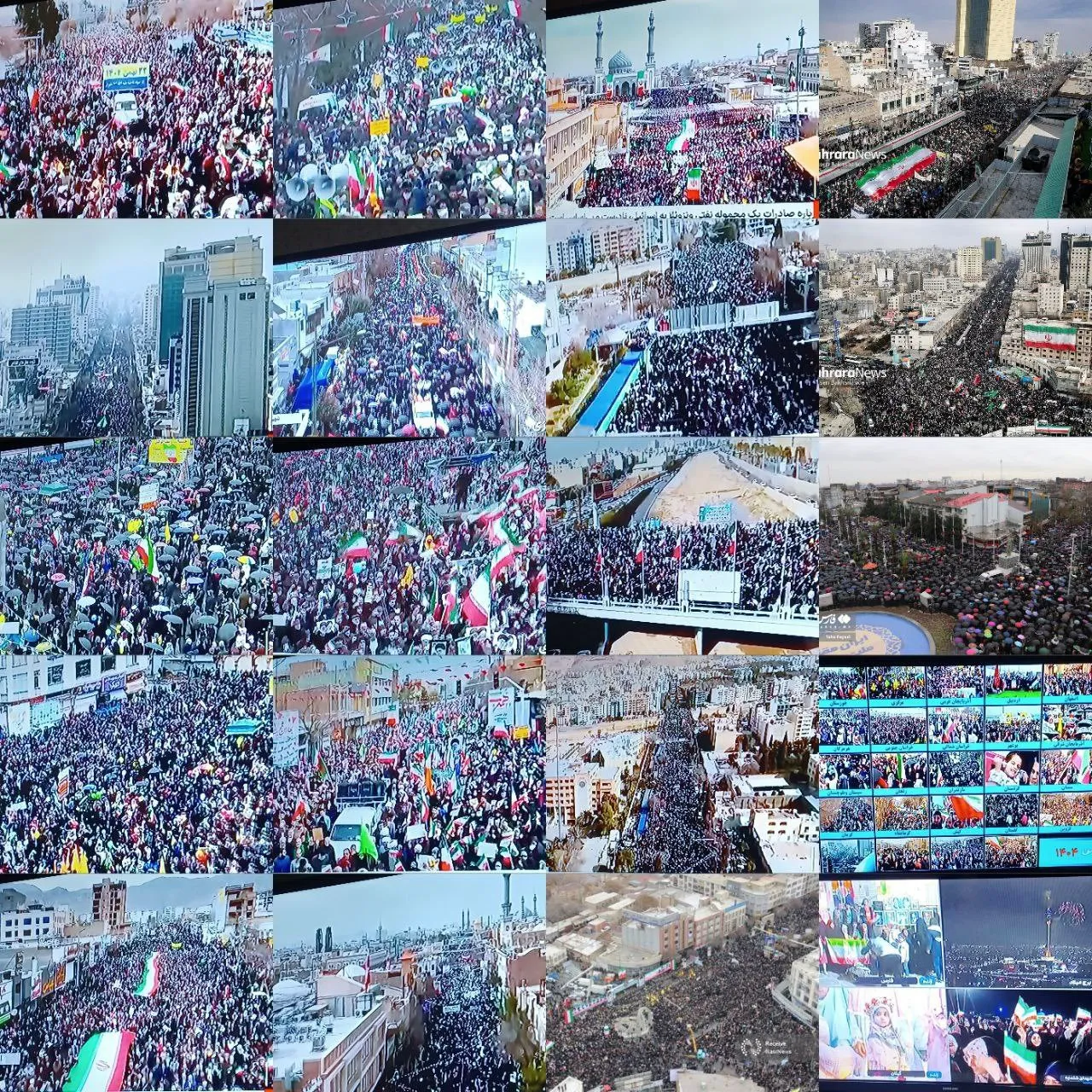
Iran’s Islamic Revolution Lives
Millions take to the streets across Iran to celebrate the 47th anniversary of the Islamic Revolution and reject the ongoing threats of military intervention.
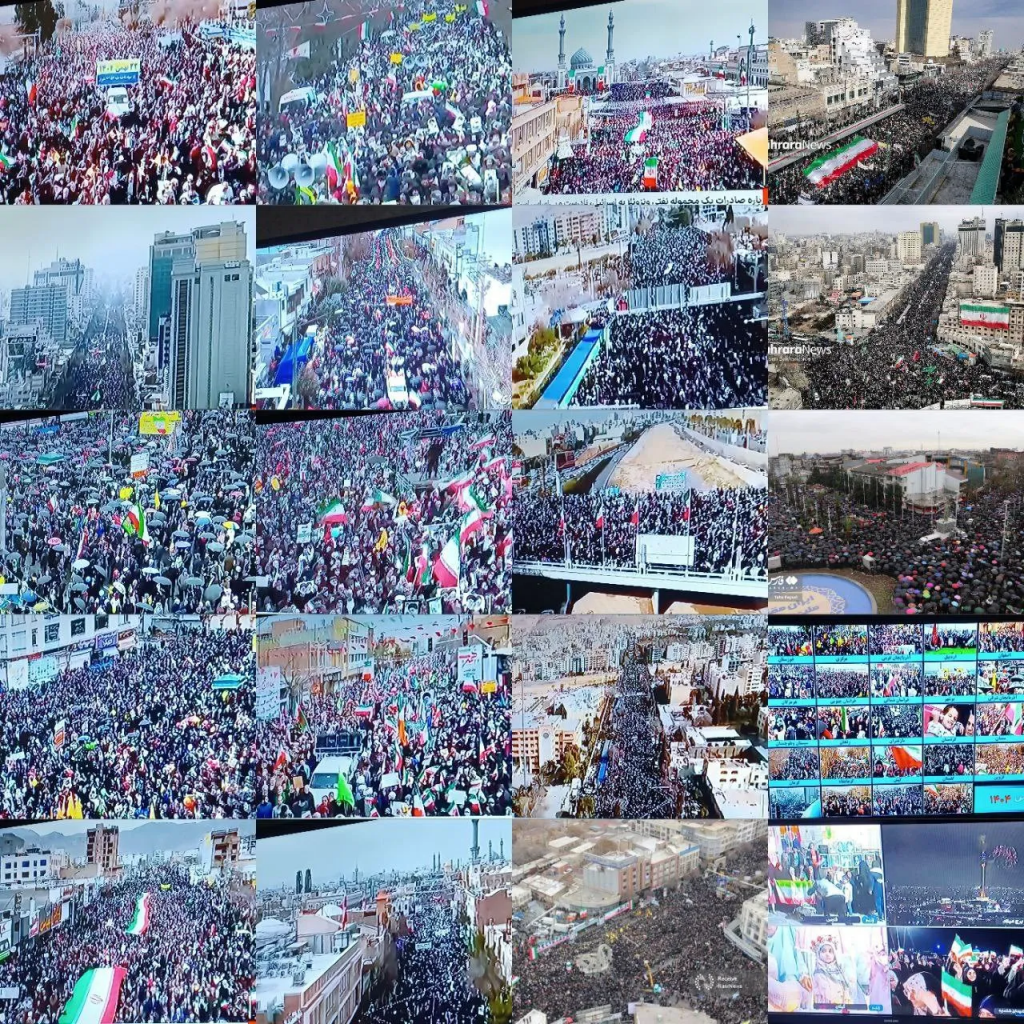
Naila Feb 18, 2026
„If War Starts, I Doubt These Regimes Will Survive“: Prof. Marandi on the Real Stakes of a US-Iran Conflict
Video

| Think BRICS Feb 21, 2026 CIA admissions, Mossad on the ground, and underground missile bases pointed at Gulf monarchies. Prof. Marandi lays out what a US-Iran war would actually unleash. |
History of America’s Wars against Iran: 1909-2025
Donald, The Emperor has No Clothes”
| Michel Chossudovsky Nov 18, 2024 America’s “Humanitarian Wars” against Iran, Iraq, Afghanistan, Syria, Libya, Palestine This article is a followup of my earlier article entitled “U.S. and Western Allies Support the Genocide. Israel’s Role in U.S.-NATO War Against Iran” (October 2024) |
| Iran: History of Anglo-American Colonialism: Time Line: 1909-2025 1909: Creation of the Anglo-Persian Oil Company under the British Empire. 1951. The Mossadegh Project. The Nationalization of the the Anglo-Iranian Oil Company (AIOC). Act of Parliament leading to the formation of the National Iranian Oil Company (NIOC). The 1953 CIA-MI6 Coup d’Etat against the democratically elected (secular) government of Prime Minister Mohammed Mossadegh. 1954: The Shah signs a 25 year Consortium Agreement of 1954 (Persian: قرارداد کنسرسیوم) with British and American Oil Companies. This was a de facto act of recolonization (sponsored by the CIA and British Intelligence). “dividing the aforementioned 50% ownership to foreign companies as follows. 40% to be divided equally (8% each) among the five major American companies; British Petroleum to have a 40% share; Royal Dutch/Shell to have 14%; and Compagnie Française des Pétroles (CFP),to receive 6%. The U.S. sponsored coup d’Etat led to the formation of a military government. General Fazlollah Zahedi was appointed prime minister by Mohammad Reza Shah Pahlavi 1977-79 Iran’s Mass Movement was to restore Democracy and unseat Shah Palhavi 16 January 1979 Shah Palhavi and his family goes into exile. Two weeks later on 1 February 1979, The Ayatollah Khomeini who was exiled in France returns to Teheran. 1980-88. The US Engineered Iran-Iraq War. The Iran-Contra Operation U.S. wants to regain full control over Iran. The Unspoken Objective: Destroy both Countries a) US provides weapons to Iraq, b) US launches a secret intelligence operation to sell weapons to Iran, c) the proceeds of the secret sale of weapons to Iran are used to destabilize Nicaragua. 1991 Iraq War I. The Gulf War In Geneva, on 9th January 1991, then Secretary of State James Baker –a “diplomat” who stated: “We will reduce Iraq to a pre-industrial age”– met Iraq’s Foreign Minister, Tareq Aziz, with a letter from Bush Snr., promising the destruction of Iraq, if Kuwait was not withdrawn from by 15th January. Tareq Aziz stated he would not deliver the letter.” (Felicity Arbuthnot) March 2003, Iraq War II. “First Iraq, then Iran” Referring to Saddam Hussein’s Alleged Weapons of Mass Destruction: “I would call my colleagues’ attention to the fine paper that the United Kingdom distributed . . . which describes in exquisite detail Iraqi deception activities.” (Colin Powell, UN Security Council, February 5, 2003) |
Iran Attack Tactics On US Military : Explained

| How does a smaller regional power take on the world’s largest navy, with its massive aircraft carriers and advanced destroyers? Well, Iran’s strategy isn’t to face the US head-on; it is to rely on asymmetric warfare. Take this for example, These two civilian ships are sailing near an aircraft carrier. Everything looks completely normal. But then, with the press of a button, a shipping container Doors opens up and out Comes A Missile. This is Soviet-era P-15 anti-ship missile which can still pack a Punch. This is instantly followed by a swarm of low-flying drones and fast attack boats from within the Cargo Ships and not to forget the small Midget Submarines . These Submarines Can Launch Torpedo’s at the same time . In quick Succession it can pass through the Carrier Strike Group Defense System and even achieve 10% impact. They might not sink the carrier, but they can damage it enough to make the waters too dangerous for the U.S. to operate in. So let’s Look at the four key tactics they would likely use. |
‘The ‘resistance economy’ is what saved Iran from the collapse planned by the US,’ says professor from the University of Tehran
Setareh Sadeqi remained skeptical about negotiating with the US: ‚It usually means making concessions and surrendering‘
| Think BRICS Feb 17, 2026 Since the first round of negotiations between Iran and the US in Oman on 6 February, Donald Trump seems to have toned down his warmongering rhetoric and is now talking about making a “good deal” with Tehran, which he says will be better than the JCPOA (which he himself abandoned in 2018 during his first term). Apparently, Tehran’s assertive rhetoric – promising to start a regional war to defend itself against attacks on its territory – is making the White House think twice before launching into another military conflict in Western Asia. In a 1 February article, the Wall Street Journal states that Washington needs more time to provide sufficient air defences for its allies in the region, which host US bases. |
‘An attack on Iran is an attack on the BRICS and the multipolar world’, says political analyst
For Mohammad Marandi, a professor at the University of Tehran, the U.S. is desperately trying to preserve its empire.

| Think BRICS Feb 12, 2026 Shortly after the kidnapping of Venezuelan President Nicolás Maduro and Deputy and former President of the National Assembly, Cilia Flores, in the first days of the year, the White House directed its “regime change” machine towards another energy power, Iran. About to celebrate its 47th anniversary, the Islamic Revolution has always been a thorn in the side of the U.S. and, especially, Israel. Tehran is the biggest supporter of the Palestinian cause in the world and, in practice, the biggest obstacle to the Zionist project of “Greater Israel,” which presupposes the expulsion or extermination of the Palestinian people from their land. For this reason, overthrowing the Iranian revolutionary government has always been among the priorities of Washington and Tel Aviv. |
The US-Iran negotiations are unlikely to yield a breakthrough
Why Oman talks mask deeper US goals: protecting petrodollar dominance, disrupting China’s Belt and Road, and preventing nuclear proliferation that would end Middle East control.
| Think BRICS and Xiaoguang YinFeb 07, 2026 The recent talks between the United States and Iran held in Oman have attracted global attention. Given that these talks are taking place against a backdrop of continued tension between the two countries, they may represent the last opportunity for diplomatic mediation between the U.S. and Iran. Previously, US President Trump threatened to launch another military strike against Iran, triggering a renewed surge in tensions in the Middle East. So why is the United States so determined to attack Iran? |
Watch: Iranian Seyed M. Marandi: What REALLY happened in Iran & why U.S. wants to destroy the country
| Li Jingjing Jan 23, 2026 Track records of Western interventions tell us we need to be skeptical and cautious whenever some Western politicians and pundits claim they want to liberate people in another country and bring them democracy. Iranian Seyed M. Marandi: What REALLY happened in Iran & why U.S. wants to destroy the country Seyed Mohammad Marandi is a professor at the University of Tehran in Iran. In this episode, he told us what happened during the protests in Iran and how Western sanctions hurt the lives of ordinary Iranians. |
| Videos US Navy’s “Invisible Weapon” Just Broke Iran’s Entire Defense Strategy Chinese and Russian troops in Iran Iranian drone over US ship Chinese and Russian troops in Iran Iranian drone over US ship. The USS Abraham Lincoln is being watched. 🛰️ In the Arabian Sea, Iranian drones are doing the unthinkable—tracking a US Carrier Battle Group in real-time. But is this just a distraction for something much bigger? Iran Attack Tactics On US Military : Explained How does a smaller regional power take on the world’s largest navy, with its massive aircraft carriers and advanced destroyers? Well, Iran’s strategy isn’t to face the US head-on; it is to rely on asymmetric warfare. Take this for example, These two civilian ships are sailing near an aircraft carrier. Everything looks completely normal. But then, with the press of a button, a shipping container Doors opens up and out Comes A Missile. This is Soviet-era P-15 anti-ship missile which can still pack a Punch. This is instantly followed by a swarm of low-flying drones and fast attack boats from within the Cargo Ships and not to forget the small Midget Submarines . These Submarines Can Launch Torpedo’s at the same time . In quick Succession it can pass through the Carrier Strike Group Defense System and even achieve 10% impact. They might not sink the carrier, but they can damage it enough to make the waters too dangerous for the U.S. to operate in. So let’s Look at the four key tactics they would likely use. |
Iran – A US Demurral is Not Necessarily a De-escalation
| By Dr. F. Andrew Wolf, Jr. Global Research, February 04, 2026 Fear of a wider war is influencing Washington’s latest decision to forego an immediate attack on Iran – the UAE, Qatar, and the Saudis have been urging Washington to allow backdoor channels an opportunity to pull the parties back from the brink. Yet, it should be noted that there are other reasons for Washington’s demurral. These include incomplete regional missile defense readiness, alliance vulnerabilities in the region, US domestic political constraints and diplomatic initiatives by none other than Russia. |
Six Points to Navigate the Turmoil in Iran
Iran’s Problems Will Not Solved Through Imperialist Bombardment by the US and Israel

| Jan 20, 2026 By Vijay Prashad Editor’s note: Vijay Prashad is an Indian historian, editor and journalist. He is a writing fellow and chief correspondent at Globetrotter, the chief editor of LeftWord Books, and the director of Tricontinental: Institute for Social Research. The article reflects the author’s opinions and not necessarily the views of China Up Close. Iran is in turmoil. Across the country, there have been protests of different magnitudes, with violence on the increase with both protesters and police finding themselves in the morgue. What began as work stoppages and inflation protests drew together a range of discontent, with women and young people frustrated with a system unable to secure their livelihood. Iran has been under prolonged economic siege and has been attacked directly by Israel and the United States not only within its borders, but across West Asia (including in its diplomatic enclaves in Syria). This economic war waged by the United States has created the situation for this turmoil, but the turmoil itself is not directed at Washington but at the government in Tehran. There are reports – such as in the mainstream Israeli newspaper Ha’aretz in October 2025 about Israeli “influence operations aiming to install Reza Pahlavi as Shah of Iran” – that Israeli intelligence has a role in the protests, and the United States has openly told the protestors that it would bomb Tehran if the violence by the government increase. Last year, protests took place in twelve South Pars oil refineries, where 5,000 contract workers in the Bushehr Gas Refinery Workers Union marched with their families on December 9 in Asaluyeh to demand higher wages and better working-conditions. When the workers took their struggle to the National Parliament in Tehran, where they called for an end to the contract work system, the Israelis and the United States took advantage of these sincere protests to attempt to transform a legitimate struggle into a potential regime change operation. |
Living With Peril: Repercussions of Israel-Iran War on Iraq


The position of Iraqi armed militias especially those closest to Iran was less harsh and reckless than expected at the start of the recent war archiveKey Takeaways+The Iraqi government tried to avoid getting involved in the Israeli-Iranian war by balancing condemning the Israeli attack on Iran with asking Iran not to move the war to the Iraqi theater. Baghdad had no choice except awaiting the results of the recent confrontation in the hope that it will end with the least possible losses.With the confrontation between Iran and Israel escalating into open warfare following Israel’s attack on Iran on June 13, 2025, Iraq – long considered Iran’s closest regional partner – faces a real challenge in navigating the conflict and its repercussions. On one side stands the Iraqi government, which has adopted a cautious stance aimed at distancing the country from the war. On the other are Iran-aligned armed militias and Popular Mobilization Forces (PMF), whose potential military involvement – whether against Israel or American interests and bases in Iraq and the region – is closely tied to Tehran’s directives Read more |

Is the 12-day Israel-Iran war really over – and who gained what?
A Trump-brokered ceasefire is in place for now. But what really happened – and did any side emerge stronger from the conflict?
| By John T Psaropoulos Published On 24 Jun 202524 Jun 2025 Since Sunday, Israel and Iran have lurched from escalating war to fragile ceasefire. A truce seems to be holding, and what US President Donald Trump called “The 12 Day War” between Israel and Iran seems to be over – for now. Meanwhile, Trump, Israel’s Prime Minister Benjamin Netanyahu and Iran’s leaders have all claimed that the pause in the conflict happened on their terms. Continue reading |
What is Iran’s right to resist regime change?

| Israel claims Iran is closer than ever to building a nuclear weapon. But as it targets Iran, Prime Minister Benjamin Netanyahu says his nation’s attacks will also “liberate” Iranians. In a civilization shaped by millennia of empire and resistance, those words land differently. What does liberation mean to Iranians as the US and Israel call for regime change? |
Tehran is in shock – and we have fled with heavy hearts
My family and I have no idea if, or when, we will return – or what we may returned
| By Maziar Motamedi Published On 21 Jun 202521 Jun 2025 Gilan, Iran – The prospect of war seemed to creep nearer to reality with each passing day, but perhaps few of the millions who have been forced to abandon their homes across Iran in the past week – including myself – could have known this new reality would impose itself so harshly or abruptly. The first explosions jolted people awake in Tehran shortly after 3am on June 13, when a large number of Israeli fighter jets and drones attacked dozens of areas across the country, and explosives-laden quadcopters and anti-fortification Spike guided missiles were launched by Israeli agents from inside Iran. Entire residential buildings were levelled in the capital, military sites and air defence batteries were targeted, and above-ground facilities supporting nuclear enrichment halls buried deep inside mountains in Isfahan province’s Natanz were bombed. Dozens of civilians were killed, as were a large number of top military commanders and nuclear scientists. Continue reading |

In this photo released by the Iranian Red Crescent Society rescuers work at the scene of an explosion after an Israeli strike in Tehran Iran on Friday June 13 2025 Iranian Red Crescent Society via AP| Tehran was in shock the first morning after the attacks, as people struggled to process the terrifying news and evaluate their options while the authorities scrambled to mount a concerted response to the surprise hits. As the attacks came on a Friday morning – the last day of the weekend in Iran – most city streets were eerily quiet in the immediate aftermath, except for those where Israeli bombs had made an impact. Soon, however, hours-long queues had formed at almost every single fuel station across the sprawling capital, which has a population of nearly 10 million people and holds more than 15 million during busy workdays, as millions also commute from neighbouring cities like Karaj. |